Why Lock Types Matter
Understanding your lock types helps with maintenance, key duplication, and security decisions. Different locks have different strengths and care requirements.
Knowing what you have enables better communication with locksmiths and hardware stores when you need assistance or replacement parts.
This knowledge empowers you to make informed choices about your home security.
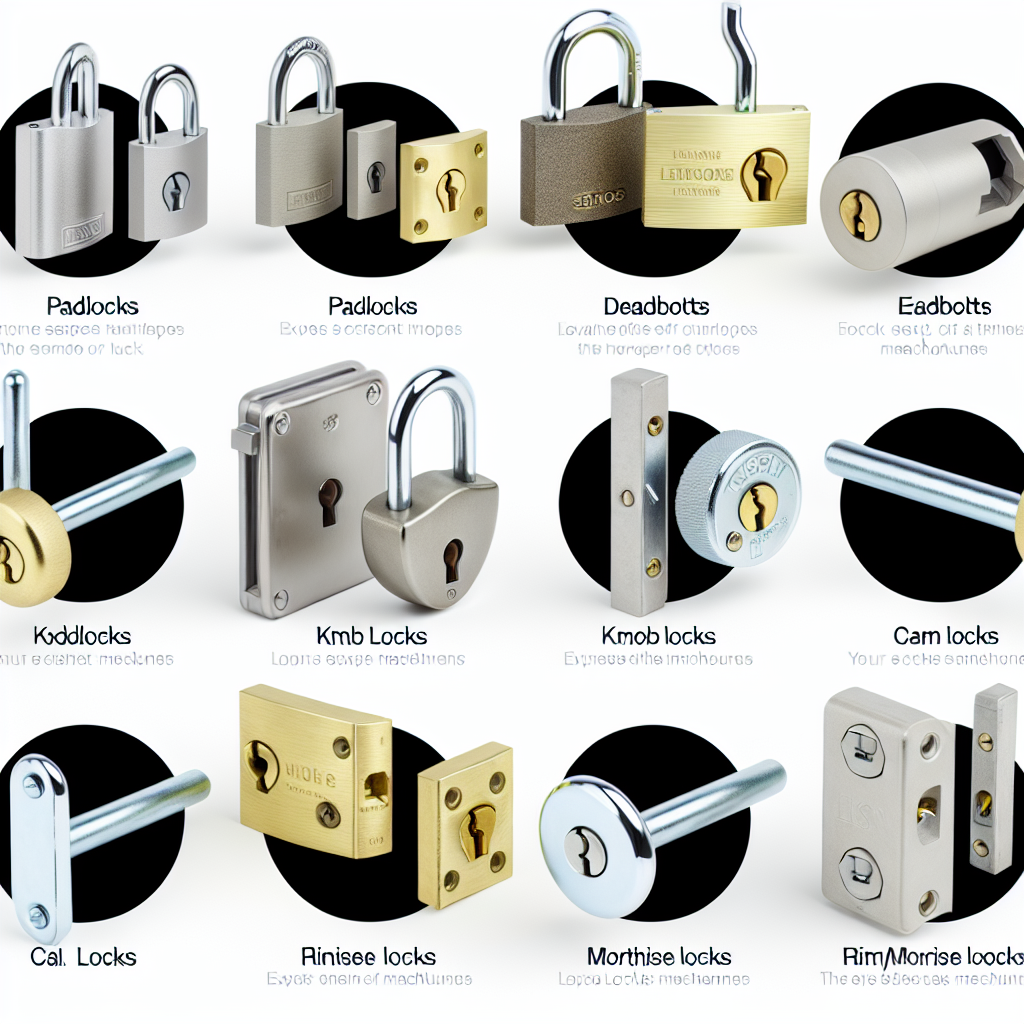
Common Residential Lock Types
Pin Tumbler Locks
Most common in homes. Uses pins of varying lengths that align when correct key inserted. Available in standard and high-security versions.
Deadbolts
Separate lock providing additional security. Bolt extends deep into door frame. Single or double-cylinder options available.
Lever Handle Locks
Common on interior doors and some exterior entries. Easier to operate than knobs but may be less secure for exterior use.
Mortise Locks
Lock body sits within door thickness. Often found in older homes. Generally robust and durable with proper maintenance.
Knob Locks
Traditional round doorknob with integral lock. Easy to operate but shouldn't be sole exterior security—pair with deadbolt.
Rim Locks
Mounted on door surface rather than within it. Common on older properties. Visible from interior, distinctive appearance.
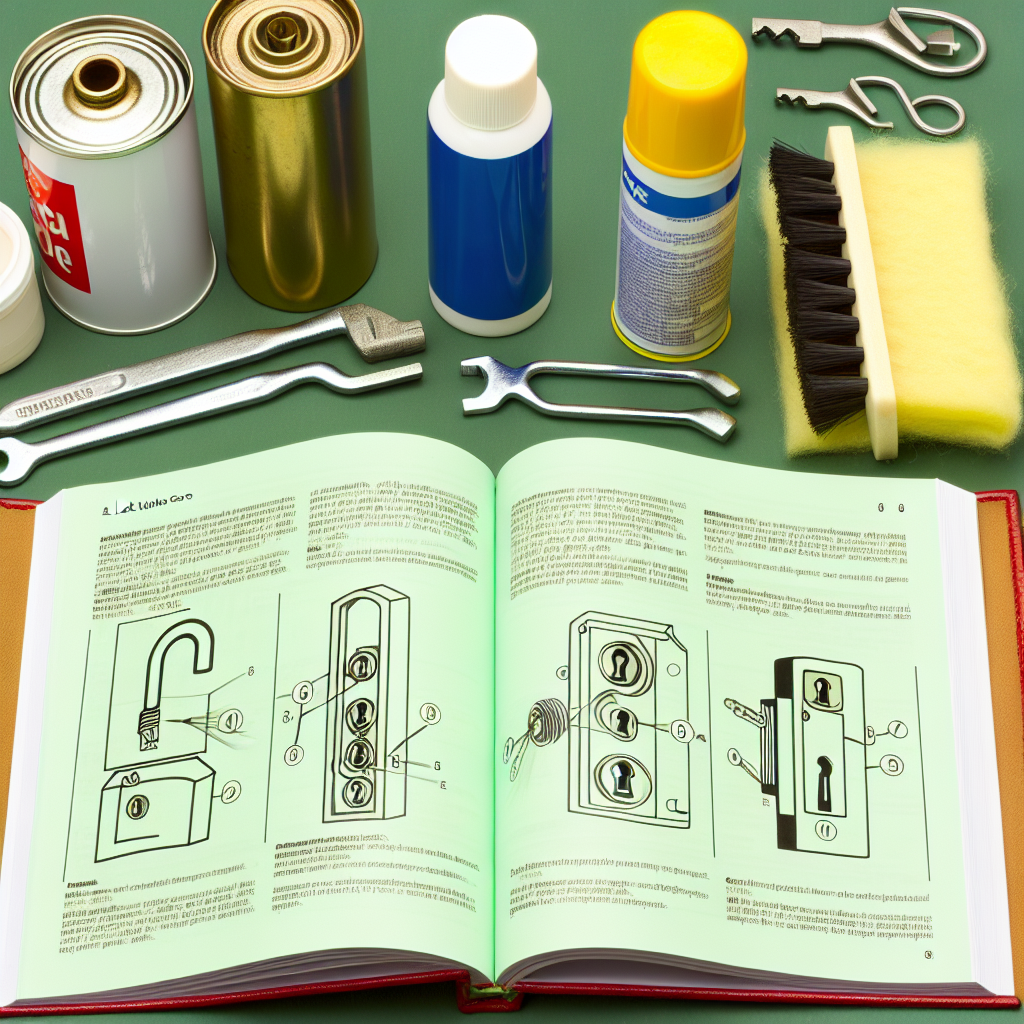
Identifying Your Locks
Walk through your home and examine each exterior lock. Note the type, manufacturer (often stamped on faceplate), and condition.
Take photos if helpful for future reference. This inventory aids communication with professionals and helps track maintenance needs.
Understanding what you have is the first step toward proper care and security planning.
Special Purpose Locks
Sliding Door Locks
Designed for sliding glass doors. May include foot locks, handle locks, or auxiliary security bars. Check multiple lock points.
Panic Hardware
Push-bar exit devices allowing quick egress. Common on commercial doors but sometimes used in homes. Check local fire codes.
Multipoint Locks
Single action secures multiple points along door edge. Increasingly common in new construction. Offers excellent security.
Smart/Electronic Locks
Digital locks using codes, cards, or phone apps. Require batteries and occasional updates. Combine technology with mechanical backup.
Security Grades
Locks receive ANSI/BHMA grades: Grade 1 (highest security), Grade 2 (medium), Grade 3 (basic residential). Grade doesn't always correlate with price.
For most homes, Grade 2 locks provide excellent security at reasonable cost. Grade 1 may be overkill for typical residences.
Focus on proper installation and maintenance—a well-maintained Grade 2 lock outperforms a poorly maintained Grade 1.
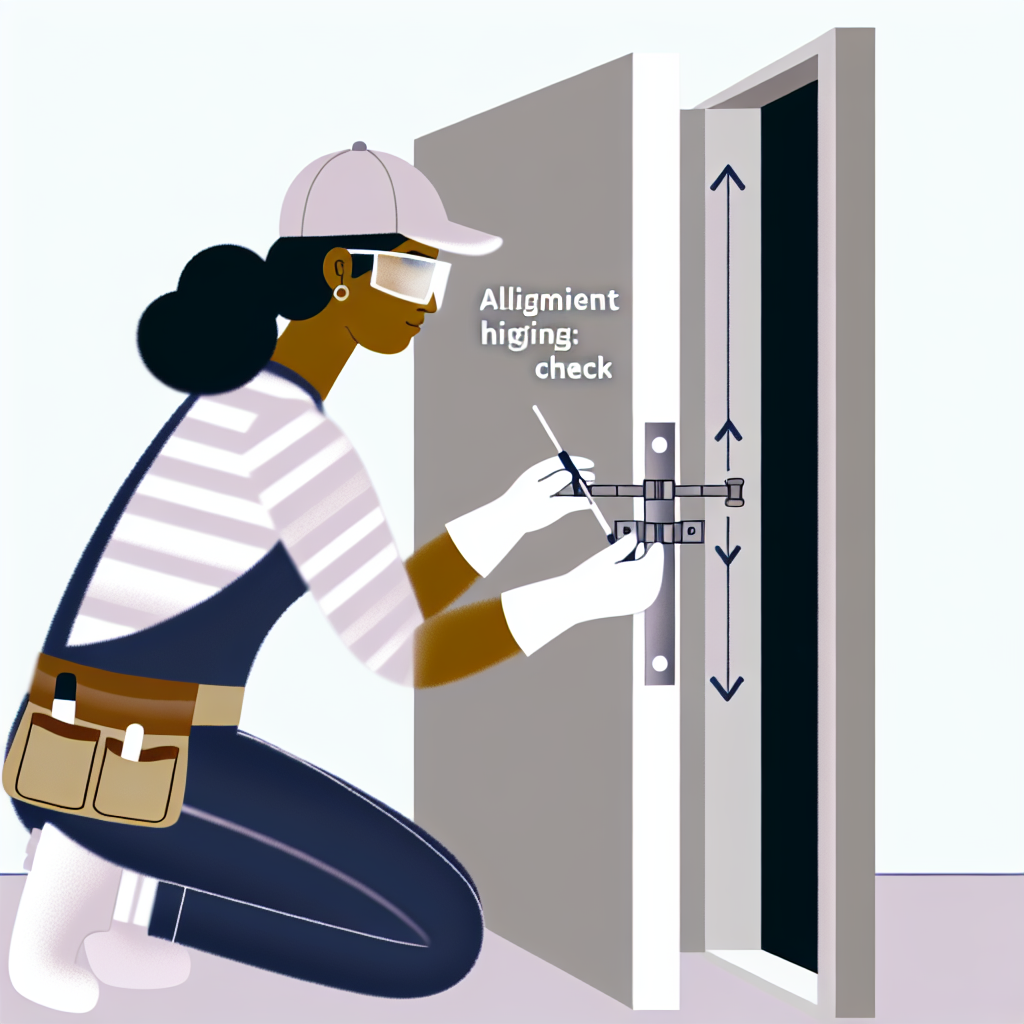
Choosing Lock Types
For Main Entries
Deadbolt plus knob/lever combination provides strong security. Ensure deadbolt extends at least 1 inch into frame.
For Secondary Doors
Back and side doors need equal attention to front. Don't skimp on security for less-visible entries.
For Interior Doors
Privacy locks or simple latches usually sufficient. Save security hardware investment for exterior access.
For Garage Access
Interior garage-to-house doors deserve strong locks. These are common entry points if garage door breached.