Why Maintenance Matters
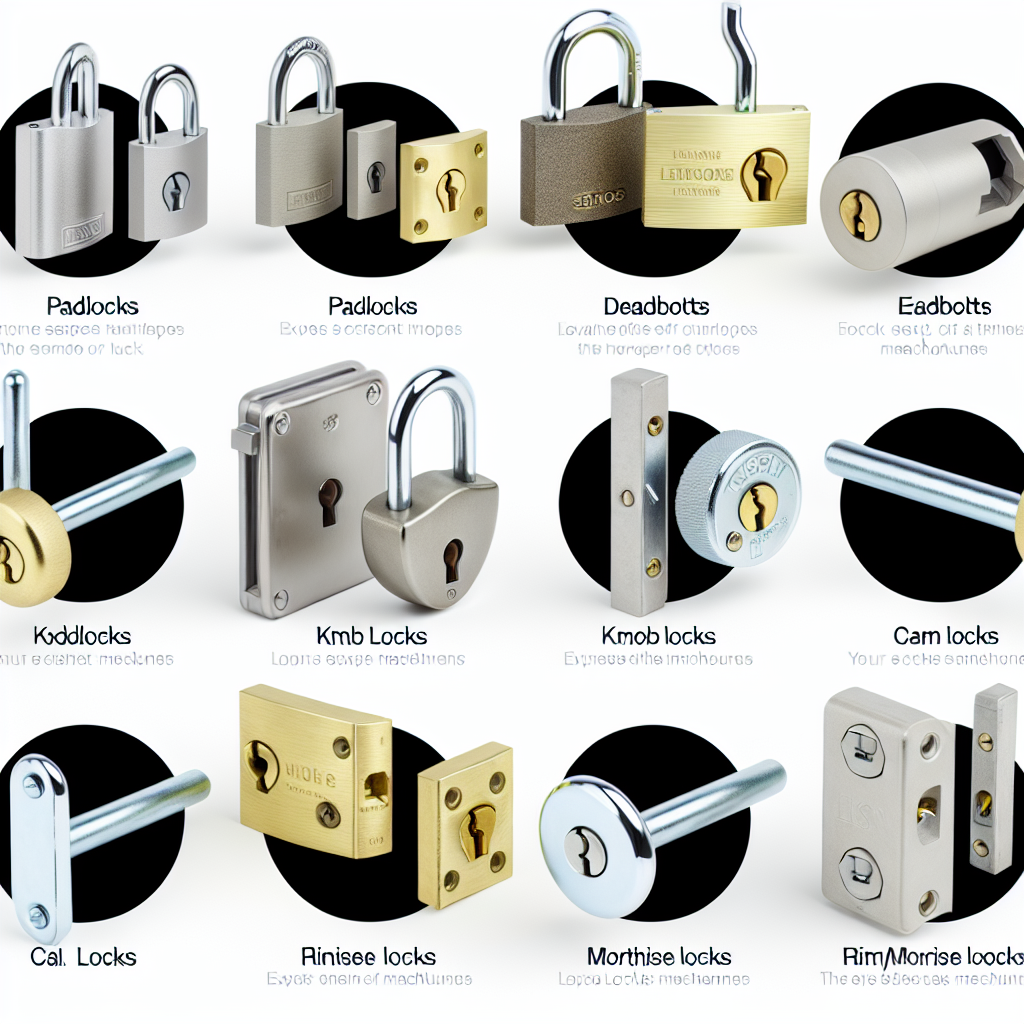
Regular lock maintenance extends the life of your hardware and prevents inconvenient failures. A few minutes of care every few months saves time and money in the long run.
Well-maintained locks operate smoothly, reducing wear on both locks and keys. This simple attention prevents the frustration of stuck locks or broken keys.
Most maintenance tasks require only basic supplies and take just a few minutes per lock.
Regular Maintenance Tasks
Cleaning
Every 3-4 months, clean lock exterior with a soft cloth. Remove dust and debris from the keyhole using compressed air or a soft brush.
Lubrication
Apply graphite powder or lock-specific lubricant twice yearly. Never use oil-based lubricants—they attract dirt and gum up mechanisms.
Screw Tightening
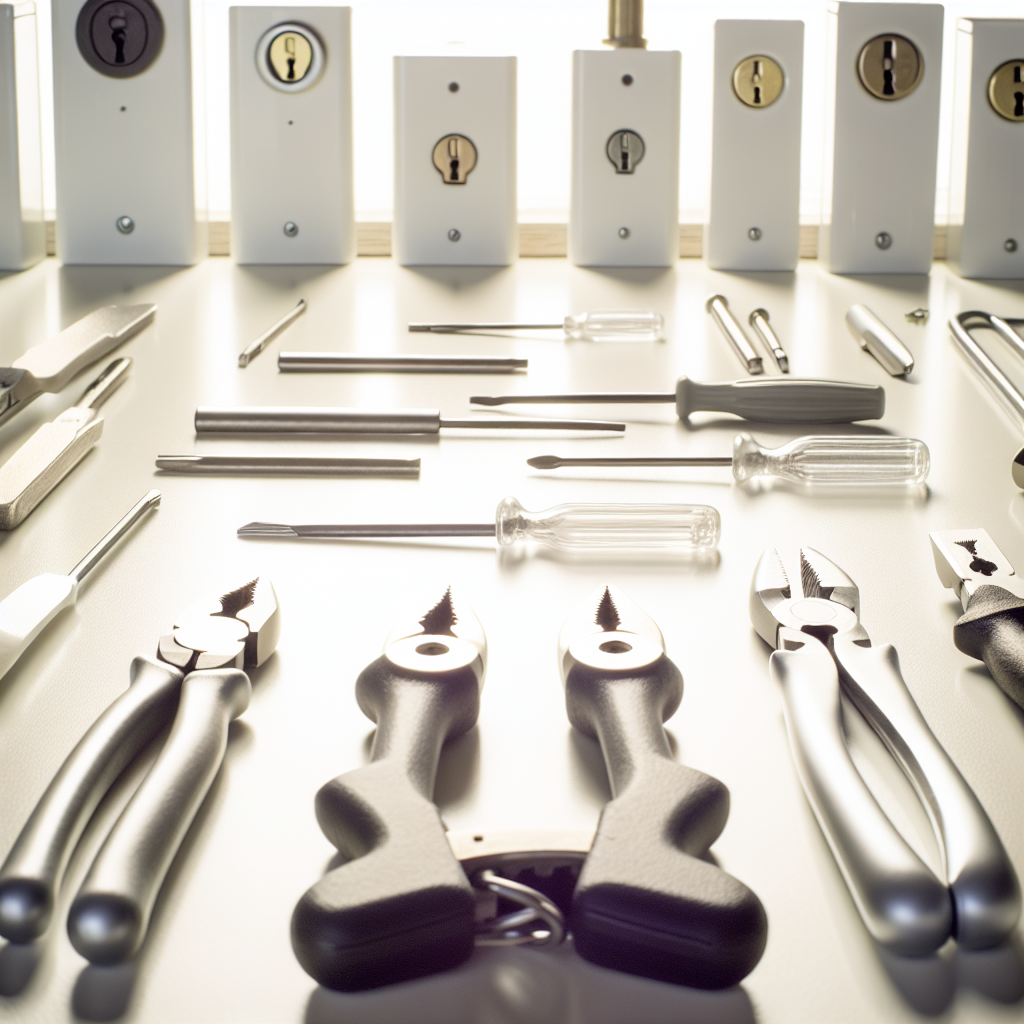
Check and tighten all visible screws quarterly. Loose hardware accelerates wear and can affect lock alignment.
Key Inspection
Examine keys for wear, especially edges and grooves. Worn keys can damage lock internals and should be replaced.
Weather Protection
For exterior locks, ensure weatherproofing remains intact. Replace worn covers or seals to prevent moisture intrusion.
Function Testing
Monthly, operate each lock through its full range. Note any changes in feel or sound that might indicate developing issues.
Proper Lubrication
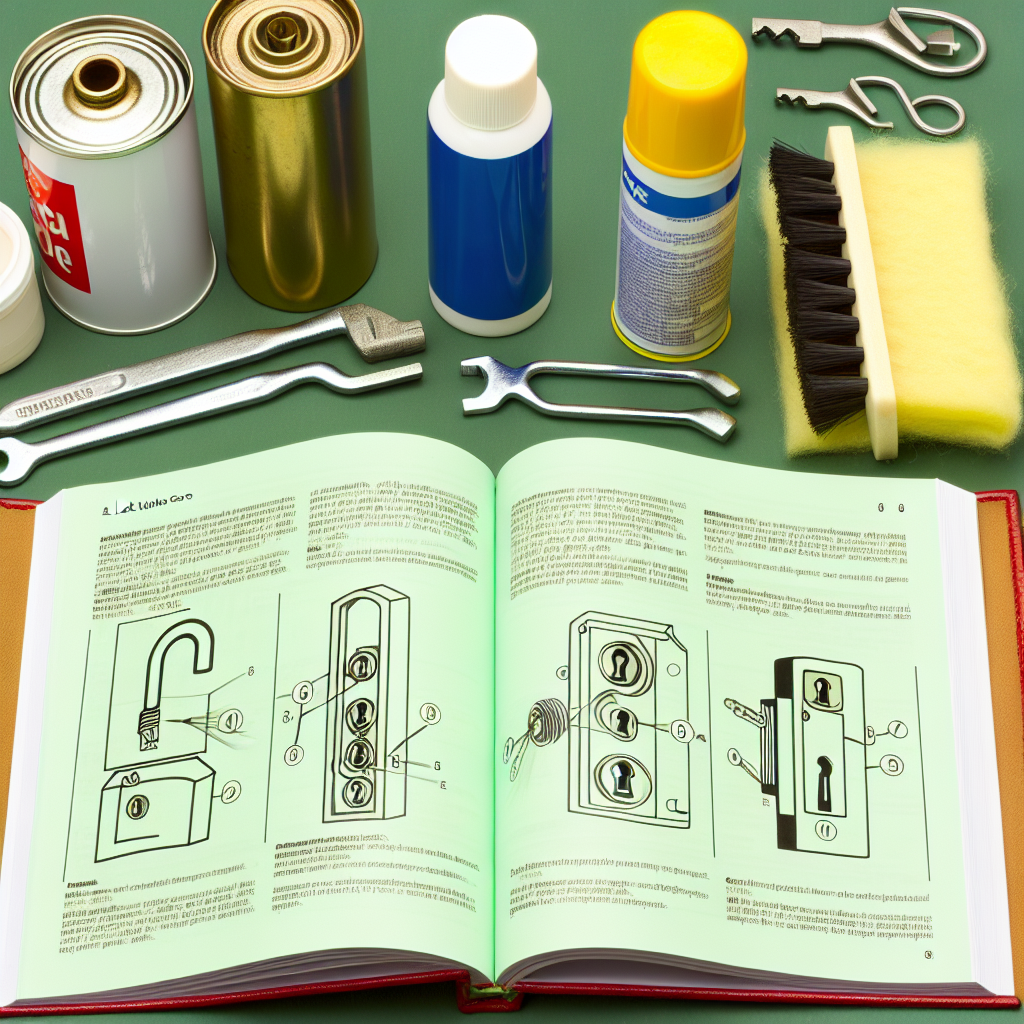
Lubrication is the most important maintenance task. Use only dry lubricants like graphite powder or PTFE sprays specifically designed for locks.
Insert the lubricant into the keyhole, then work a key in and out several times to distribute it. Wipe away any excess.
For deadbolts, also lubricate the bolt mechanism where it slides into the frame. This keeps the action smooth and prevents sticking.
Seasonal Considerations
Winter Preparation
Before cold weather, ensure locks are well-lubricated. Cold can cause mechanisms to stiffen. Keep graphite powder handy for frozen locks.
Spring Inspection
After winter, check for moisture damage or corrosion. Clean thoroughly and re-lubricate all exterior locks.
Summer Care
Heat can affect lock operation. If locks become sticky in summer heat, check alignment—doors may have expanded.
Fall Maintenance
Prepare for winter with thorough cleaning and lubrication. Check weatherstripping and seals before cold arrives.
When to Seek Professional Help
Some issues require professional attention. If locks remain difficult to operate after cleaning and lubrication, consult a locksmith.
Internal mechanism problems, broken components, or security concerns warrant expert assessment. Don't attempt repairs beyond basic maintenance.
A professional can determine whether repair or replacement is more cost-effective and ensure your security isn't compromised.