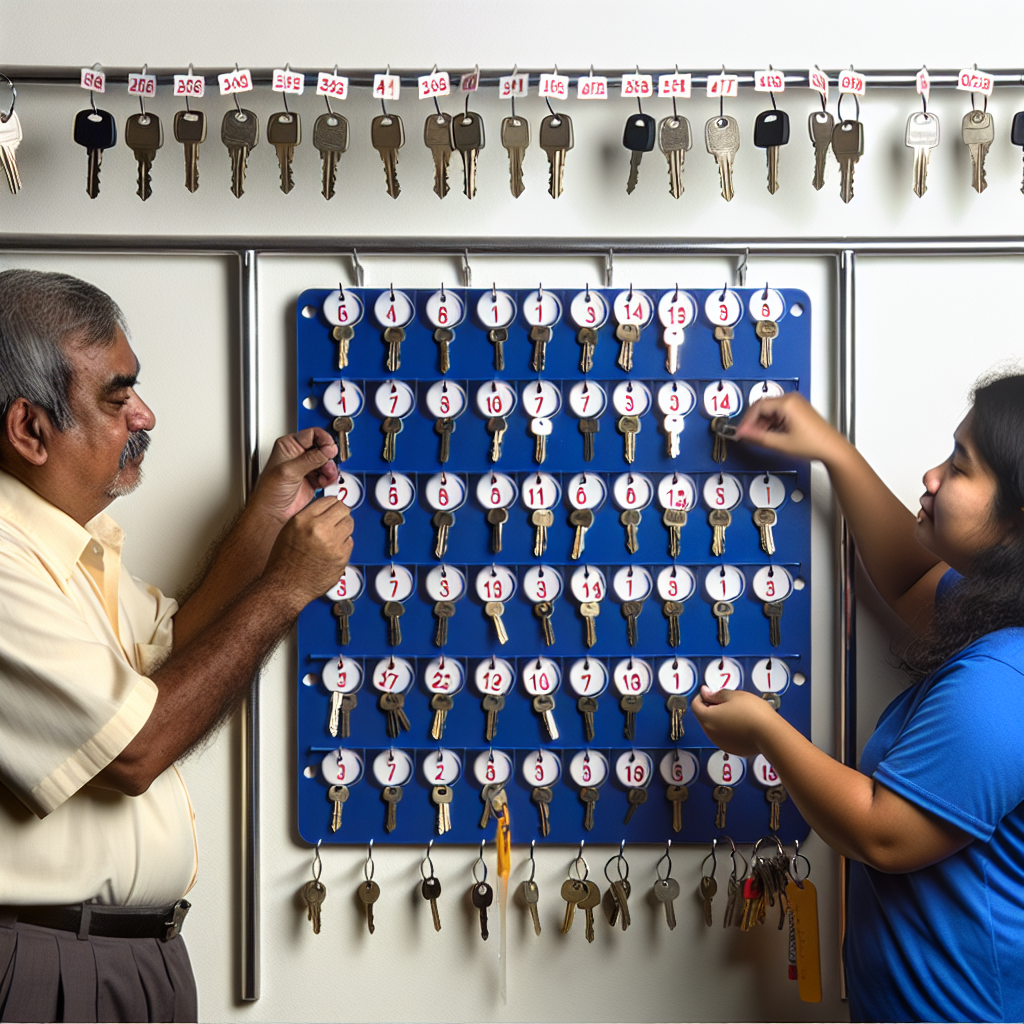
Understanding Key Duplication
Key duplication is a common service but understanding the process helps ensure quality copies and maintains security.
Not all keys can be duplicated easily, and quality varies between services. Knowing what to expect prevents problems.
Proper key management includes tracking copies and ensuring duplicates function as well as originals.
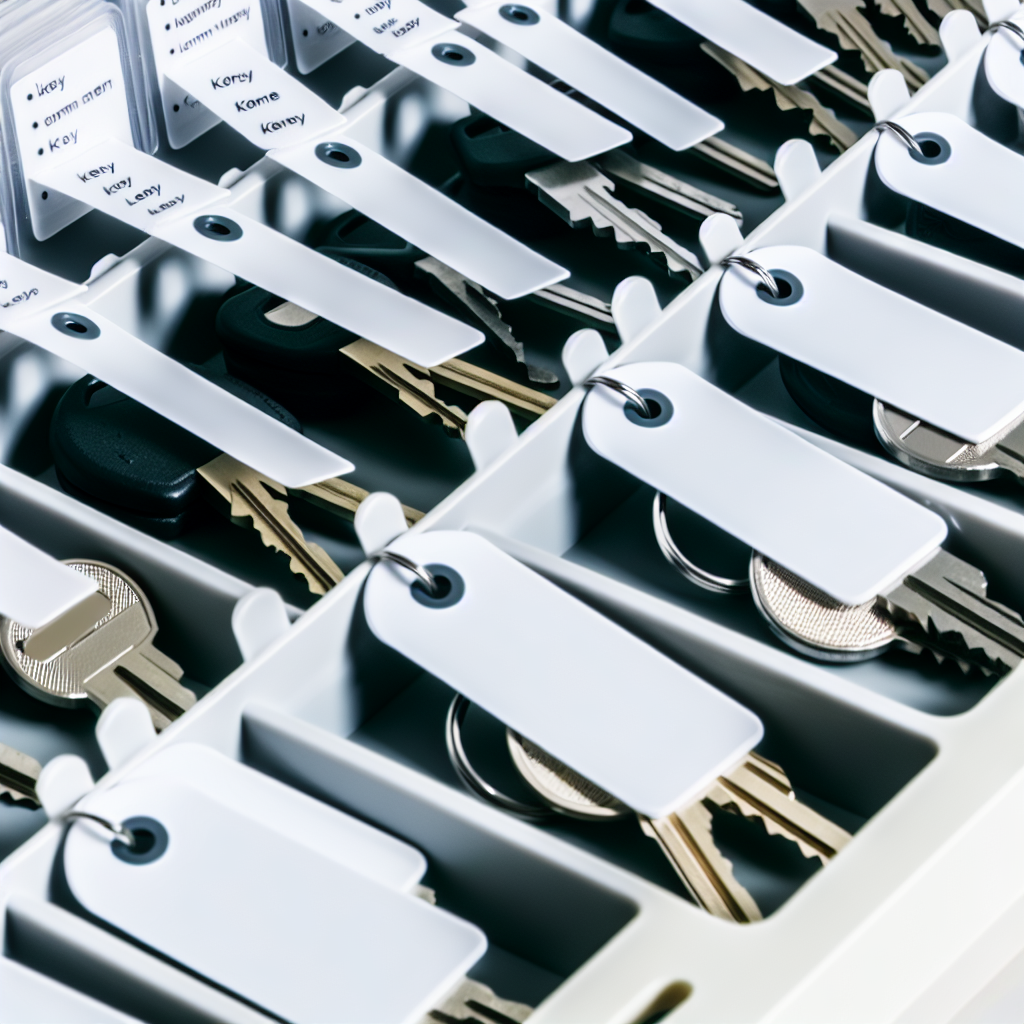
Where to Get Keys Duplicated
Hardware Stores
Most hardware stores offer key cutting services. Good for standard keys, usually quick service. Quality depends on staff training.
Locksmiths
Professional locksmiths provide highest quality. Best choice for specialty keys, high-security locks, or precision copies.
Home Improvement Centers
Large chains offer key cutting with automated machines. Convenient but may lack expertise for unusual keys.
Retail Kiosks
Automated kiosks in shopping centers provide quick service. Generally reliable for common key types but no expert assistance.
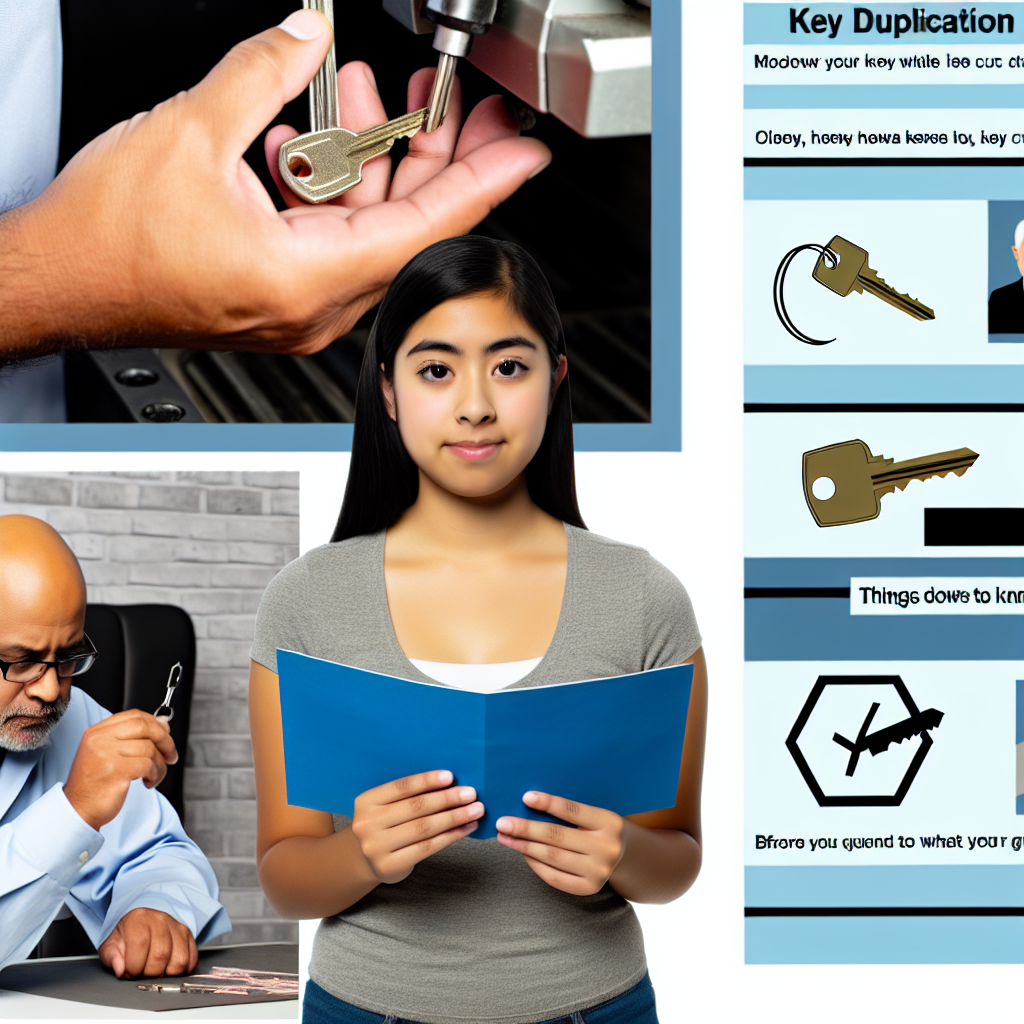
Key Types & Restrictions
Standard house keys usually duplicate easily. High-security keys often have restrictions requiring authorization or special equipment.
Some keys are stamped "Do Not Duplicate"—respect these markings as they indicate security-sensitive keys.
Car keys with electronic chips require special programming beyond simple cutting. Consult dealers or automotive locksmiths.
Duplication Best Practices
Use Original Keys
Always duplicate from original keys when possible. Copying copies introduces errors that accumulate with each generation.
Test Immediately
Test duplicates in your locks before leaving the store. Ensure they work smoothly—request recuts if needed.
Keep Track
Maintain a record of how many copies exist for each lock. This awareness helps with security and organization.
Quality Over Speed
Choose services based on quality rather than speed or price. Poorly cut keys damage locks over time.
Inspect Copies
Visually compare duplicates to originals. Cuts should match precisely. Reject keys with obvious differences.
Proper Storage
Store spare keys properly—not in cars or obvious hiding places. Secure storage maintains their purpose.
When to Replace vs. Duplicate
If original keys show significant wear—rounded edges, deep scratches, bending—consider replacing the lock cylinder rather than duplicating worn keys.
Worn keys produce worn copies that function poorly and may damage locks. Sometimes replacement makes more sense than duplication.
Consult a locksmith if unsure whether to duplicate or replace. Professional assessment prevents future problems.
Security Considerations
Limit Copies
Only create as many copies as genuinely needed. More copies increase security risk and complicate tracking.
Track Distribution
Know who has copies of your keys. Update this list when circumstances change (roommates move, relationships end).
Retrieve Keys
Collect keys from former residents, ex-partners, or contractors after their need for access ends.
Rekey When Needed
If unsure how many copies exist or who has them, rekeying locks provides fresh security. Cheaper than full replacement.
Cost & Quality
Basic key duplication typically costs £2-5 per key. Specialty keys may cost more due to blank expense or complexity.
Don't choose services solely by price. The cheapest option may produce poor copies that damage locks or fail when needed.
Investing slightly more for quality duplication saves money long-term by protecting lock mechanisms and ensuring reliability.