Coordinating Multiple Users
When several people share a home, coordinated key management prevents confusion and ensures everyone can access the house when needed.
The right system accounts for different schedules, varying levels of responsibility, and each person's specific access needs.
Clear communication and simple, consistent systems work best for family coordination.
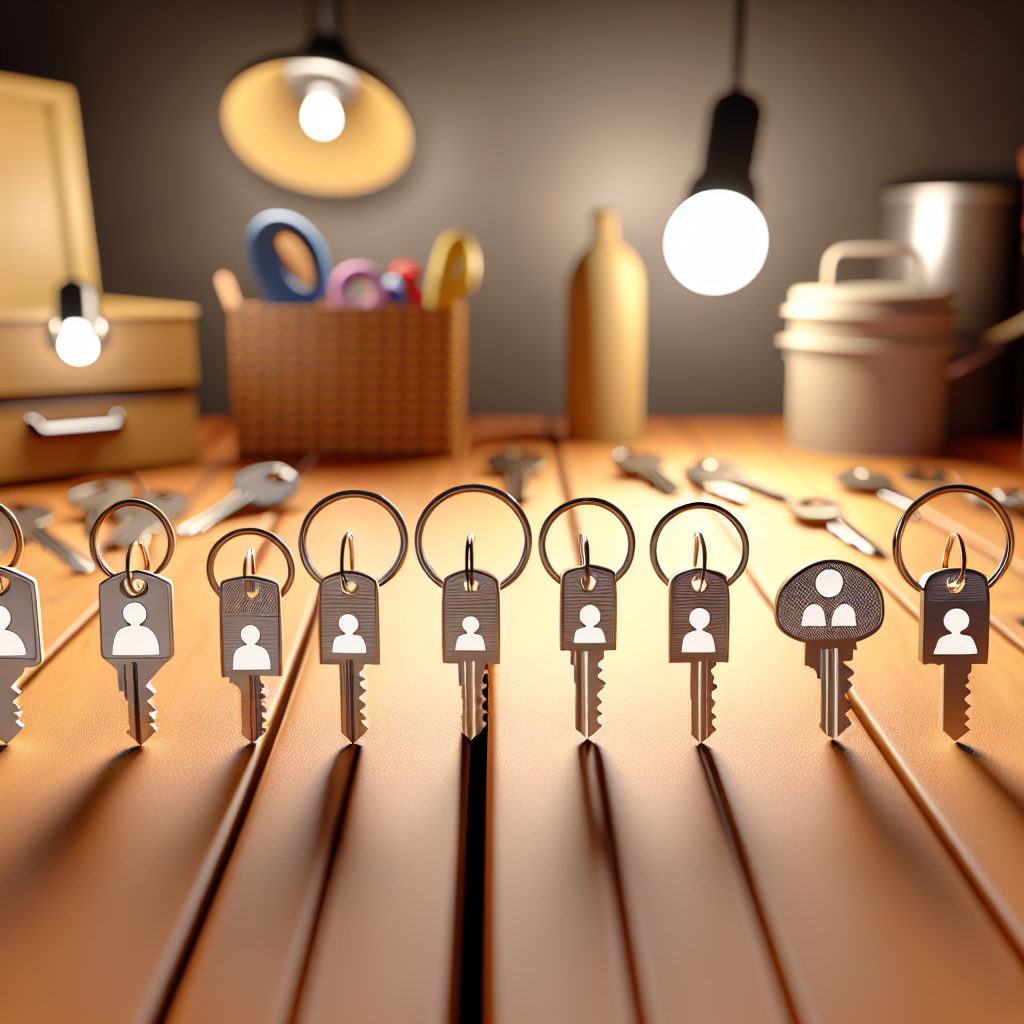
Individual Key Management
Personal Keychains
Each family member should have their own distinct keychain, making keys easy to identify and reducing mixups.
Age-Appropriate Access
Decide which family members need keys based on age and responsibility. Not everyone requires full access to all doors.
Backup Keys
Maintain spares for each family member's set. Young people especially may lose keys, and spares prevent disruption.
Return Expectations
Establish clear rules about returning keys to storage when home. Consistency prevents lost keys and confusion.
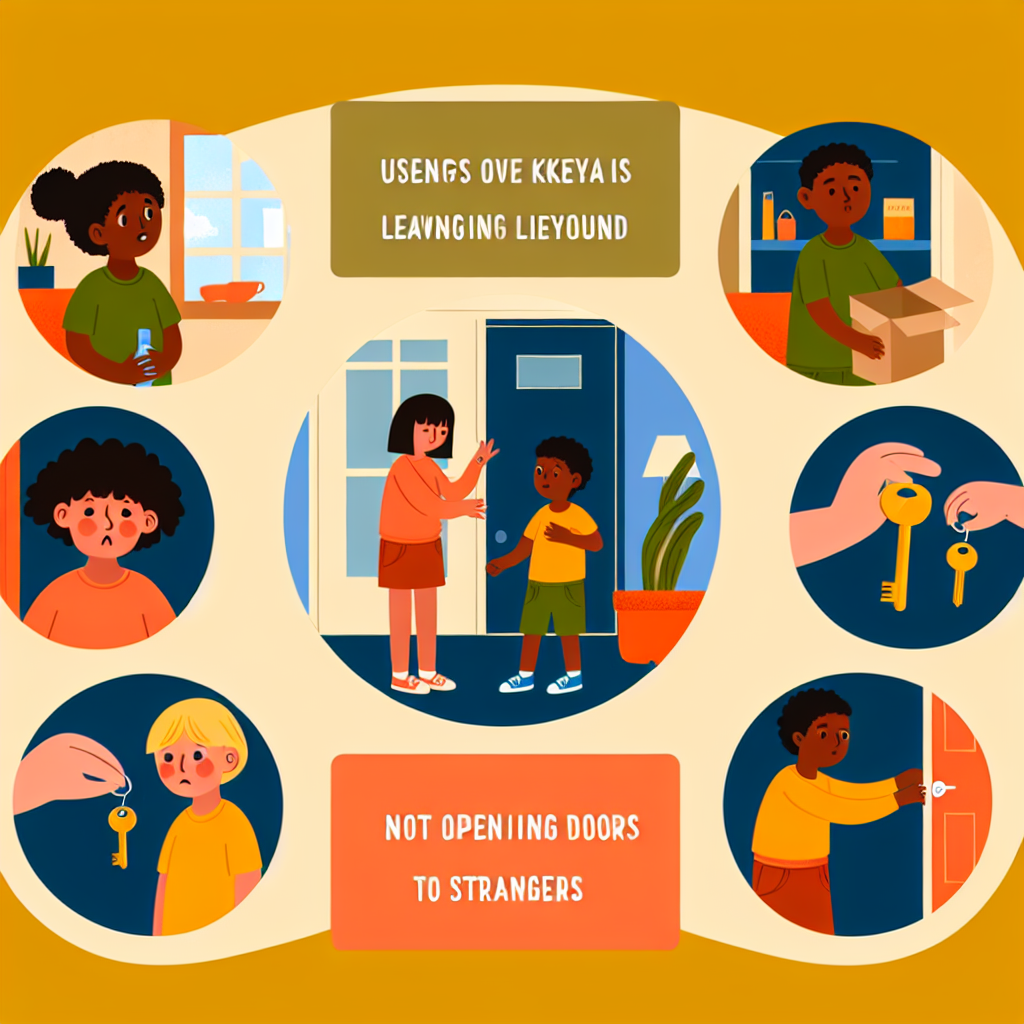
Teaching Children
When children receive keys, provide clear instruction about responsible key ownership. Teach them where keys belong and the importance of not losing them.
Start with a single house key before adding others. Consider a wrist coil or lanyard that attaches to backpacks for younger children.
Emphasize that keys should never be labeled with addresses and shouldn't be shown off or loaned to friends.
Family Communication
Shared Calendar
If family members have different schedules, a shared calendar helps coordinate who will be home when and who needs keys.
Door Checking Roles
Assign responsibility for nightly door checks. Rotate if helpful, but ensure someone always handles this important task.
Lost Key Protocol
Establish a clear procedure for reporting lost keys immediately. Family needs to know when keys are missing for security reasons.
Change Notifications
When locks change or new keys are issued, notify all family members promptly. Ensure old keys are properly disposed of.
Shared Spaces vs. Private Access
Some families need different access levels for different areas. Master keys for parents, limited keys for children, guest keys for visitors.
Consider which areas everyone needs access to versus spaces that should remain private. Internal doors may need different key management than exterior access.
Balance security with practical daily function—systems that are too complicated won't be followed consistently.
Troubleshooting Common Issues
Frequent Lost Keys
If one family member regularly loses keys, attach them to something larger and more visible. Consider a brightly colored keychain or lanyard.
Schedule Conflicts
When multiple people need to leave/enter at once, ensure enough key sets exist. Extra copies prevent bottlenecks.
Storage Disagreements
If family members resist the storage system, ask for input on improvements. Systems work best when everyone buys in.
Responsibility Resistance
Make door-checking easy and clear. Checklists or reminders help until habits form. Positive reinforcement works better than criticism.