Planning for the Unexpected
Even with excellent organization, lockouts can happen. A solid emergency access plan provides peace of mind and practical solutions when needed.
Good planning means you're never truly locked out—you always have a safe, secure backup option available.
The key is balancing accessibility with security: spare keys should be available but not vulnerable to misuse.
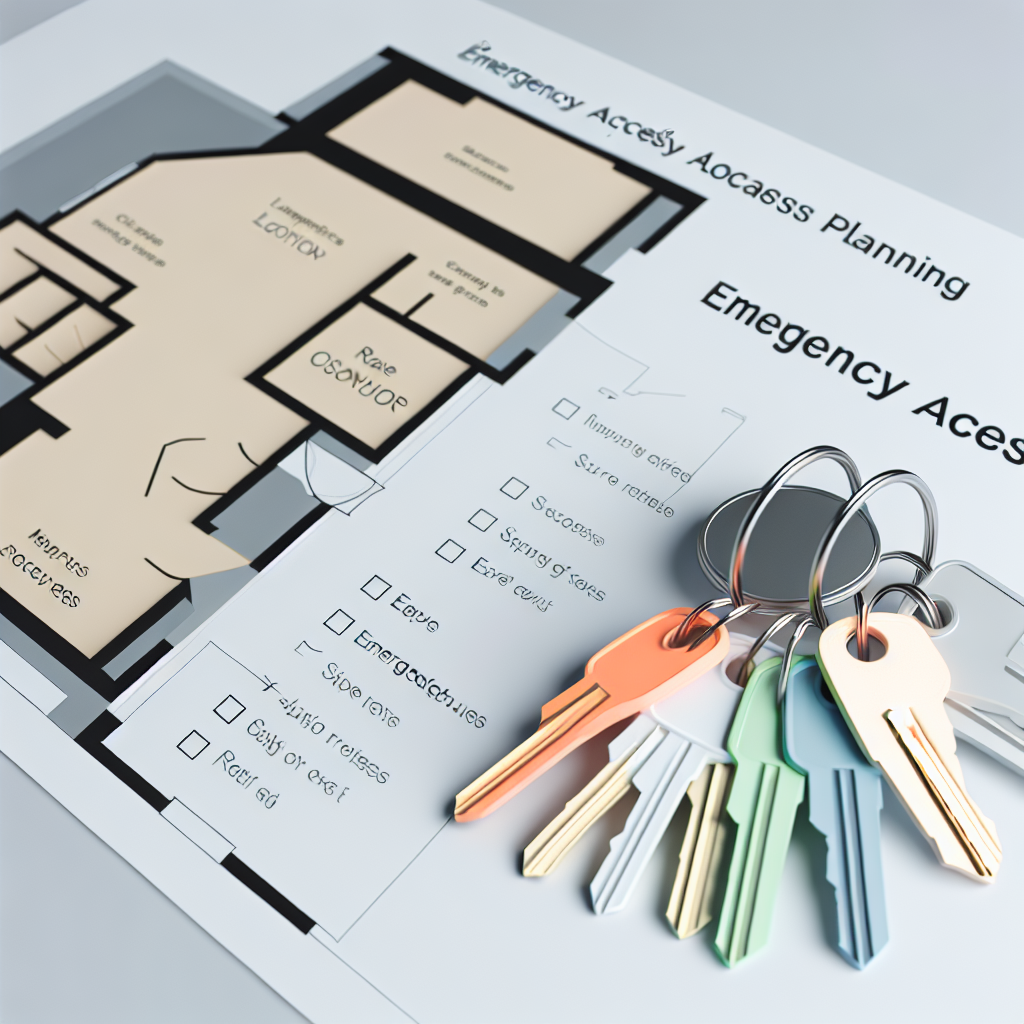
Spare Key Strategies
Trusted Neighbors
Give a spare key to a reliable neighbor you trust. This is often the fastest and safest option for lockout situations.
Family Members
Provide spare keys to nearby family members. Ensure they store keys securely and know not to label them with your address.
Secure Hiding
If you must hide a spare key, use a proper key hiding device in an unexpected location. Avoid obvious spots like under doormats.
Workplace Backup
Keep a spare key in a secure location at work, if permitted. This provides access during work hours without involving others.
Vehicle Storage
A spare house key in your vehicle (hidden securely) can help if you're locked out but have car access.
Professional Services
Keep contact information for a reliable locksmith in your phone. Research and save this before you need it.
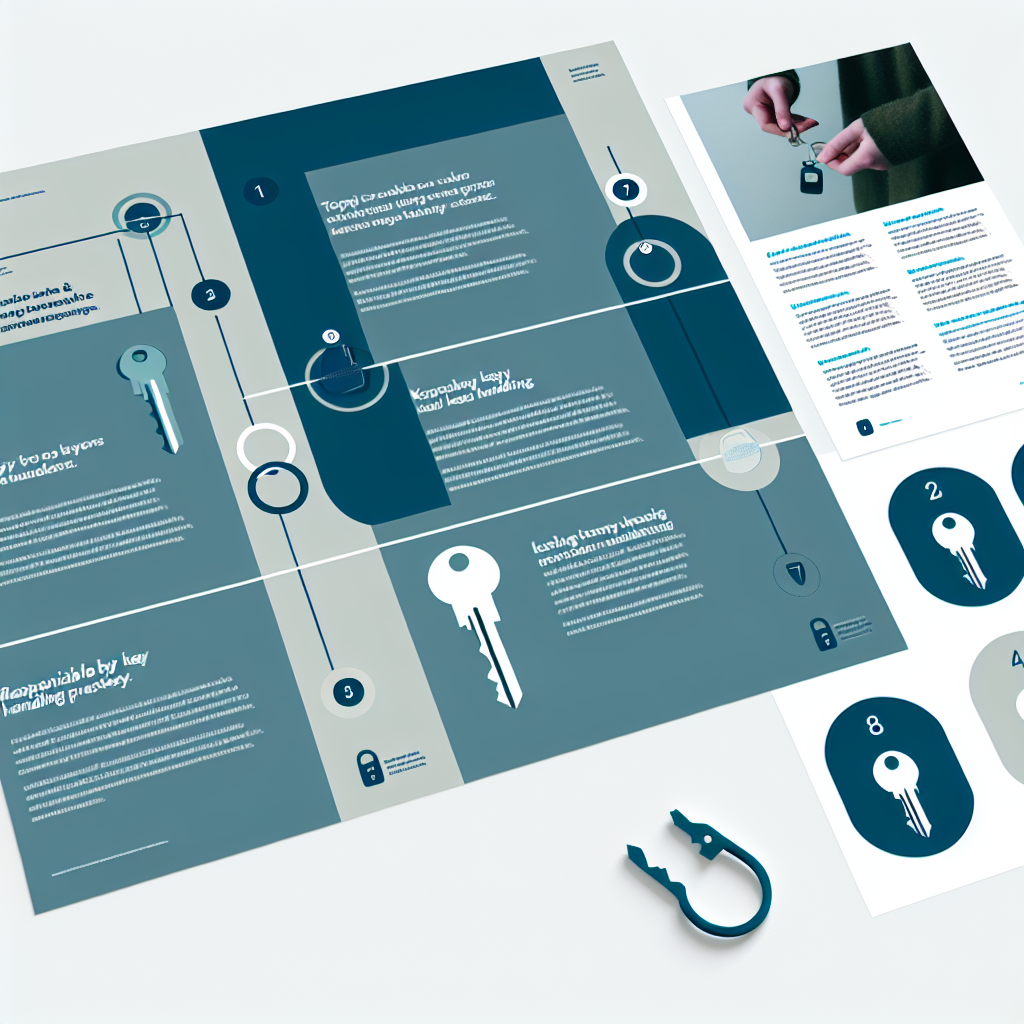
Safe Spare Key Practices
When distributing spare keys, communicate clearly about their purpose and proper storage. Keys given to others should be stored securely, away from labels indicating your address.
Avoid giving out more spares than necessary. Track who has keys and retrieve them if circumstances change (neighbors move, relationships end, etc.).
Consider using different keys for spares versus daily use if your lock allows, making it easier to revoke spare access if needed.
Lockout Prevention
Exit Routine
Always check for keys before closing the door. Make this a non-negotiable part of your departure routine.
Visible Key Storage
Keep keys in a visible, consistent spot at home. You're less likely to forget them if they're always in the same place.
Keychain Awareness
Use distinctive keychains that are easy to spot in bags or pockets. Larger items are harder to overlook.
Multiple Keychains
Keep separate daily keys and spare keys. This reduces the chance of locking yourself out with all keys inside.
What to Do When Locked Out
Stay calm and assess your options systematically. Check all doors and accessible windows—you may find an unlocked entry point.
Contact anyone who has spare keys. If unavailable, call a professional locksmith rather than attempting forced entry which can damage doors and locks.
After regaining access, review what led to the lockout and adjust your systems to prevent recurrence.