Building Better Habits
Consistent door routines provide security and peace of mind without adding complexity to your day. These simple checks become automatic with practice.
The key is establishing patterns that fit naturally into your existing schedule—morning departures, evening returns, and bedtime routines.
Start with one routine and build from there. Within weeks, these checks will feel as natural as turning off lights.
Morning Departure Routine
✓ Check Main Entry
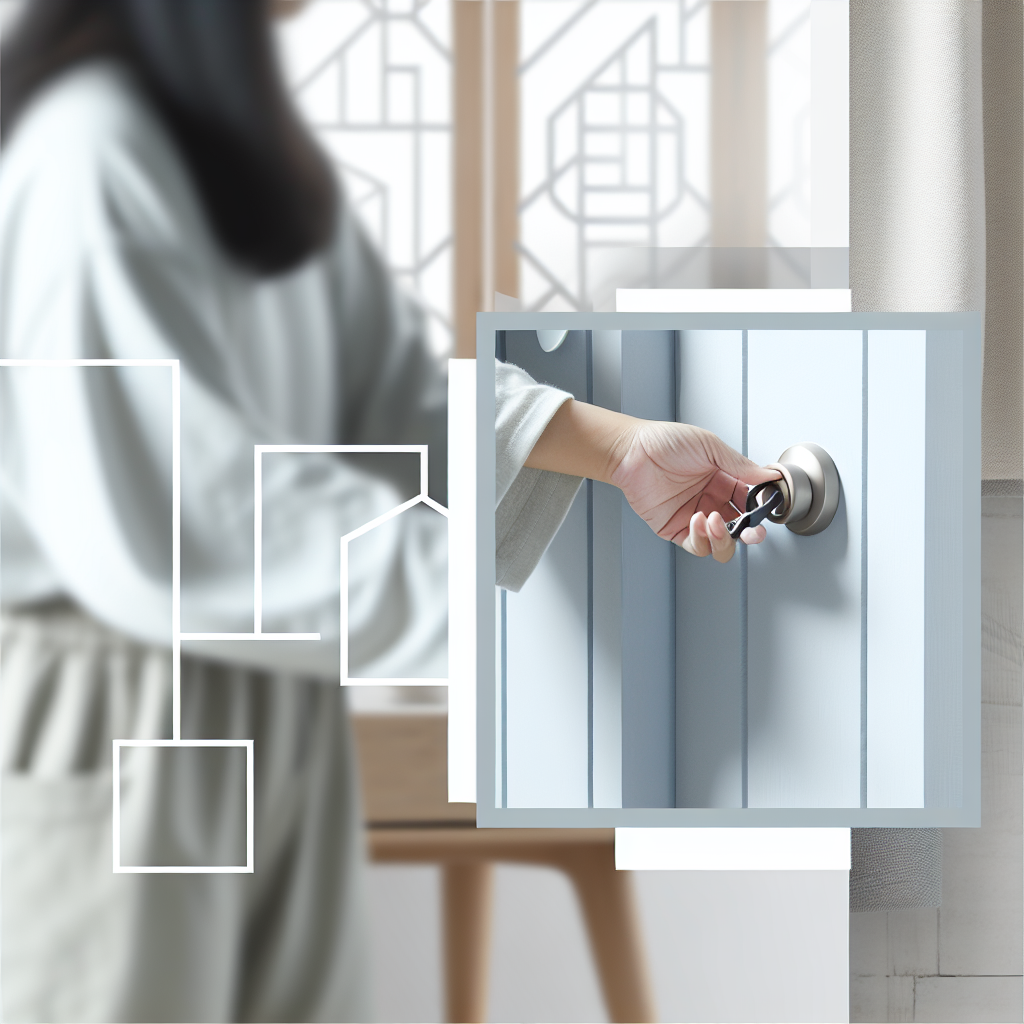
Before leaving, verify your main door is locked. Give it a gentle pull to confirm it's secure.
✓ Verify Secondary Doors
Check back doors, garage entries, and any other access points. Make this part of your departure sequence.
✓ Windows Near Doors
Quickly check windows near doors to ensure they're closed and locked, especially ground-level windows.
✓ Key Check
Confirm you have your keys before closing the door. This simple step prevents lockouts.
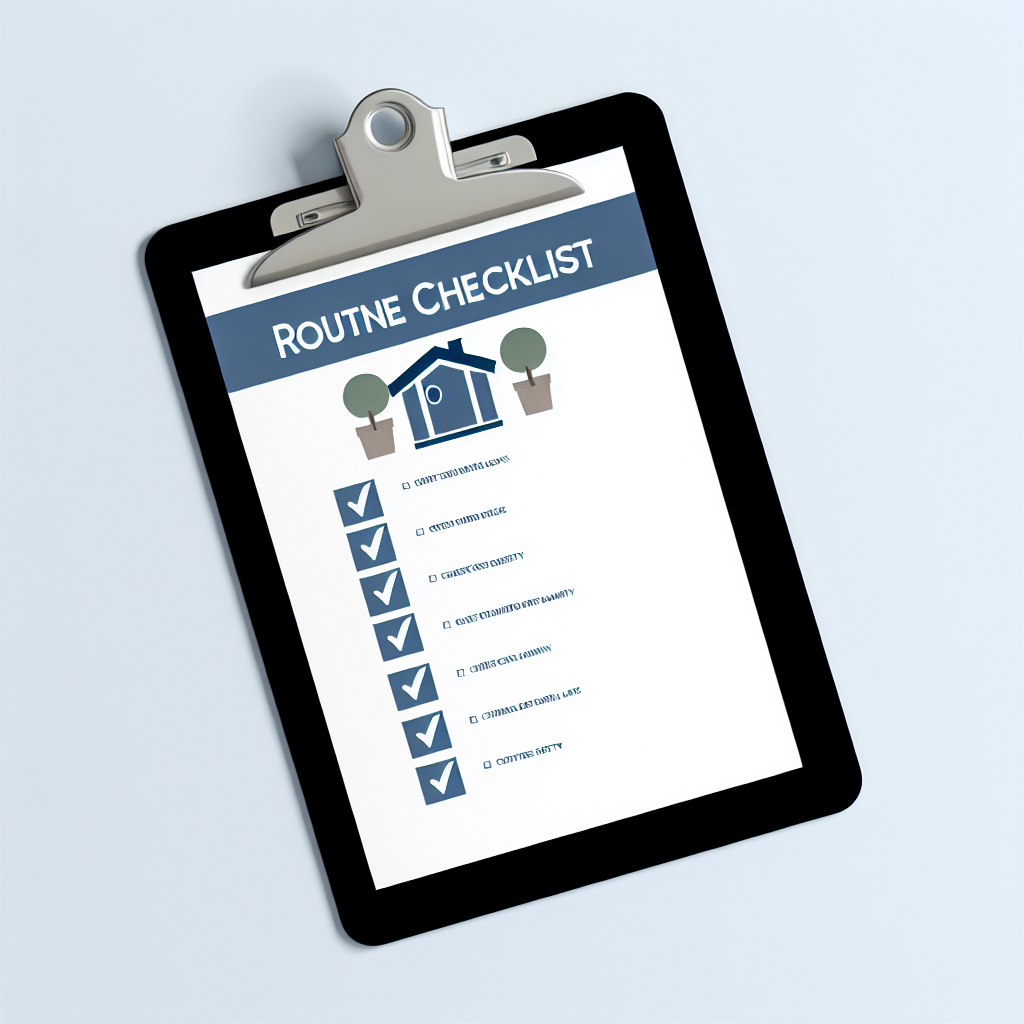
Evening Return Routine
When you arrive home, take a moment to check your entry. Ensure the door functions smoothly and locks properly.
Return keys to their designated storage spot immediately. This prevents lost keys and maintains your organization system.
If you notice any issues with the door or lock—sticking, unusual sounds, or difficulty turning—make a note to address it soon.
Bedtime Security Check
✓ All Doors Locked
Walk through your home and verify all exterior doors are locked. Create a consistent path to make this quick.
✓ Deadbolts Engaged
If you have deadbolts, ensure they're fully engaged. These provide additional security overnight.
✓ Keys Accounted For
Verify all household keys are in their proper storage locations. Check for any missing keys.
✓ Door Condition
Note any issues you encountered during the day. Plan to address them the next day.
Seasonal Adjustments
Door routines may need adjustment with changing seasons. Humidity affects doors differently in summer versus winter.
In summer, doors might swell and stick. In winter, cold can affect lock mechanisms. Adjust your routine to account for these changes.
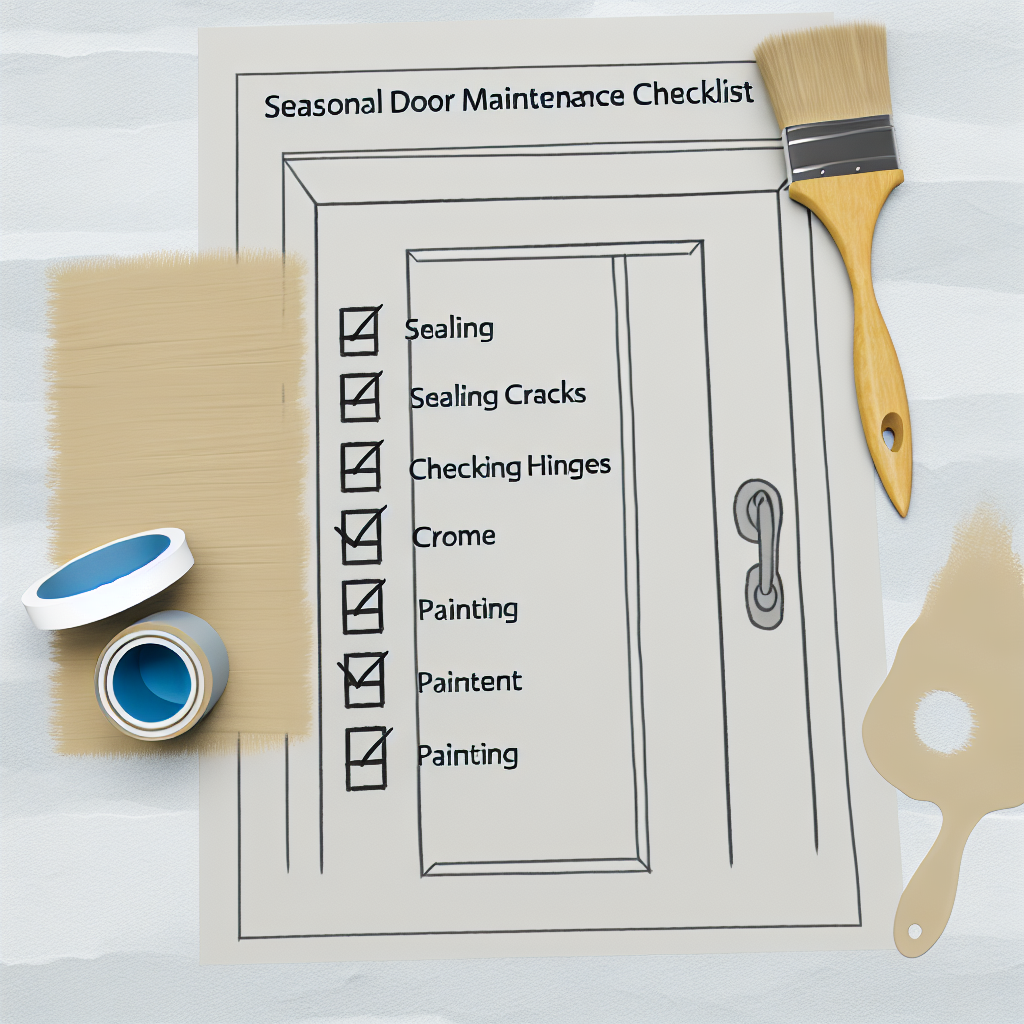
Plan seasonal maintenance checks—spring and fall are ideal times to inspect weatherstripping, hinges, and lock functionality.